
Dog Nutrition & Food Safety
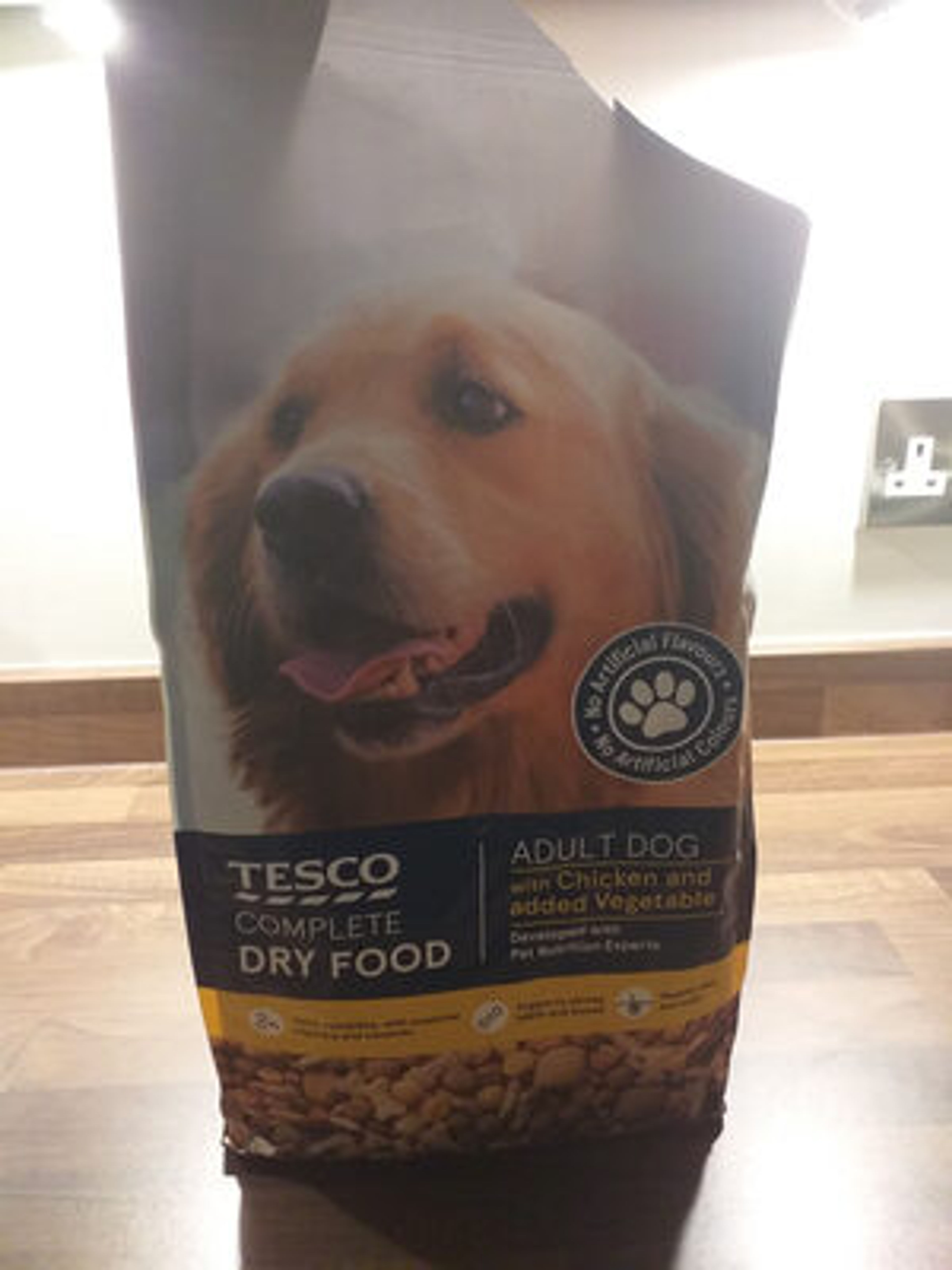
Is Tesco complete dry food adult dog Safe for Dogs?
Tesco Complete Dry Adult Dog scores 53/100. The ingredient list uses vague category labels like 'Meat and Animal Derivatives' instead of named proteins — quality is impossible to verify batch to batch.
Is Your Dog Eating Microplastics? Here's What You Should Know
A recent study has raised concerns about microplastics in commercial dry dog food, revealing that these tiny plastic particles are indeed present in all samples tested from several brands in Spain. Notably, dogs' food contained more microplastics than cat food, indicating that our canine companions might be at a greater risk. This contamination could result from factors like the environment, the way food is processed, or even the packaging it comes in. Understanding how much microplastics are affecting pet health is crucial, as these contaminants could pose risks over time. For pet parents, this means being more mindful of the food you choose for your furry friends. Although it may sound alarming, it’s essential to stay informed about what goes into your dog’s bowl. Look for brands that prioritize quality and consider discussing alternatives with your vet. Taking these steps can help ensure your dog’s diet is healthier and more free from harmful contaminants, ultimately leading to a happier, healthier pup.
What Heavy Metals Mean for Your Dog's Food
A recent study examined the impact of heavy metals like arsenic, mercury, cadmium, and lead on larvae that often feed on decaying matter. These metals pose risks not just to insects but potentially to animals like dogs if they consume contaminated food. The researchers found that higher levels of these toxic metals increased the mortality and stunted the growth of the larvae, suggesting that they aren’t just a problem for bugs but could affect higher levels of the food chain, including your furry friend. So why should you care about this? If your dog's food is made from ingredients that might be contaminated, it could lead to health issues over time. This research highlights the importance of knowing the sources of your dog's food and being mindful of potential contaminants. Keeping your dog's diet clean and safe is crucial for their overall health and well-being, so it's always a good idea to watch for high-quality ingredients and be aware of where they come from.
Could Mice Help Us Understand Our Dogs' Health?
Researchers are working on a fascinating project that aims to create special mice with canine immune systems, which can help us study dog diseases and test new treatments. By injecting canine stem cells into these mice, scientists found that they could measure the dogs' immune response in the mice—a significant step toward better understanding how canine health works. Although the success of this method needs improvement, the potential benefits for dog care are exciting and could lead to breakthroughs in veterinary medicine. For dog owners, this research could mean more targeted and effective treatments for conditions that affect our furry friends. Understanding how various diseases impact dogs could help vets diagnose and treat health problems more efficiently. While we may not see immediate results from this study, the idea of using mice to unlock the mysteries of dog health is a promising path towards improving our pups' quality of life through better medical insights in the future.
Helping Your Overweight Dog: What You Need to Know
A new study looked into the health differences between normal-weight, overweight, and obese dogs. Researchers found that overweight and obese dogs had higher levels of certain fats in their blood and experienced elevated blood pressure, but good news came with an individualized weight loss program. After following a calorie-restricted diet high in protein and fiber for about five months, many dogs lost weight and their health markers improved. This is important for dog parents to understand because managing a dog’s weight can lead to a healthier and happier life for them. For pet parents, this means paying attention to your dog's weight is crucial. If your furry friend is carrying a few extra pounds, working with your vet on a structured weight loss plan can make all the difference. It’s more than just about fitting into a cute outfit — a balanced diet can reduce risks for serious health issues down the road and improve your dog's energy levels and quality of life. Knowing early intervention is effective can motivate you to be proactive about your dog's health.
Are You Feeding Your Dog Dangerous Food Chemicals?
A recent study looked into the safety of different dog foods, focusing on harmful compounds that can develop during cooking. Scientists compared levels of these compounds in various types of dog food, including fresh, kibble, wet, and freeze-dried. They found that fresh foods generally have higher nutritional quality, especially in important proteins, while wet foods showed higher levels of harmful compounds, which can be unhealthy for dogs. This research highlights the need for pet parents to be mindful of what they’re putting in their furry friends’ bowls. So, what does this mean for your pup? If you usually feed your dog wet food or kibble, it might be worth considering fresh food options. While wet food can be convenient, those high levels of harmful compounds could be affecting your dog’s long-term health. Always look for high-quality ingredients, and don’t hesitate to switch things up if it means better nutrition and safety for your beloved pet. Your dog will thank you with a wagging tail and lots of love!
Could This Protein Help Keep Your Dog Safe?
Recent research is shedding light on a specific protein called EGR-02244, found in the parasite known as Echinococcus granulosus, which causes a serious illness called cystic echinococcosis in dogs. This study aimed to understand how EGR-02244 interacts with canine immune cells and its potential role in developing effective vaccines. The findings suggest that this protein could help modulate the immune response in dogs, which is crucial for fighting off infections and diseases caused by this parasite. For dog parents, it's important to know that understanding proteins like EGR-02244 could lead to breakthroughs in protecting our furry friends from serious infections. While vaccines are still in development, keeping an eye on your dog's health and vaccination status is essential. Knowledge about these scientific advancements may help you discuss preventative measures with your vet and ensure your pup stays healthy and happy.

How to Pick the Right Dog Food
Discover key tips to choose the best dog food for your pup's health. Learn about labels, ingredients, and life stages to keep your dog happy and thriving.
Are Your Dog’s Vitamins Up to Snuff?
A recent study focused on checking the levels of important vitamins B1, D2, and D3 in pet foods like dog kibble and wet food. These vitamins are crucial for your dog’s overall health, and too little or too much can cause serious problems. The researchers developed reliable methods to ensure pet foods meet safety and nutritional standards. They found that many dog foods contained adequate amounts of these vitamins, with vitamin B1 often exceeding minimum recommendations. So, what does this mean for you and your dog? Knowing that the food you choose has the right levels of vitamins can help ensure your furry friend stays healthy and energetic. When shopping for dog food, look for labels that specify these vitamins, as it means the brand is committed to your dog's nutritional needs. Understanding the importance of vitamins in your dog’s diet is a simple yet effective way to support their health every day.

Xylitol and Dogs: The Hidden Killer in Everyday Products
Xylitol causes rapid hypoglycemia and liver failure in dogs. Learn which products contain it and why it's a life-threatening emergency.
Is Your Dog's Weight Harming Their Health?
This research looked at a condition known as obesity-related metabolic disorder (ORMD) in dogs, which shares similarities with conditions seen in humans. The study found that dogs with ORMD showed signs of insulin resistance, meaning their bodies struggle to manage sugar levels effectively. Additionally, these dogs had altered blood pressure and some immune responses, indicating that obesity can lead to various health issues beyond just being overweight. Understanding these signs can help pet parents take proactive steps to improve their dog's well-being. For dog parents, this information emphasizes the importance of keeping a close eye on their dog's weight and overall health. Regular check-ups with the vet can help catch potential problems early on, especially if your dog is on the heavier side. Making simple changes to their diet and exercise routine can make a world of difference in managing their weight and preventing related health risks. Knowing how obesity affects your dog's health is crucial for ensuring they live a long, happy life.
How Losing Weight Can Boost Your Dog's Fitness
This research focused on obese dogs and how weight loss affects their fitness and mobility. It found that as dogs shed pounds, they not only became lighter but also showed improvements in their heart health and physical performance. After a weight loss of around 15%, the dogs had lower heart rates and better cardiorespiratory health, meaning they could exercise more comfortably. These changes suggest that losing weight can help dogs feel more energetic and mobile in their daily lives. For dog parents struggling with an overweight pup, this study emphasizes the importance of weight management. As your dog loses weight, you might notice they have more energy for walks and playtime. This isn't just about looking good; it's about helping your furry friend live a healthier, happier life. Knowing how weight impacts their fitness can motivate you to start that journey to a healthier pup together, ensuring they have the energy to enjoy all the fun activities they love.