
Dog Nutrition & Food Safety
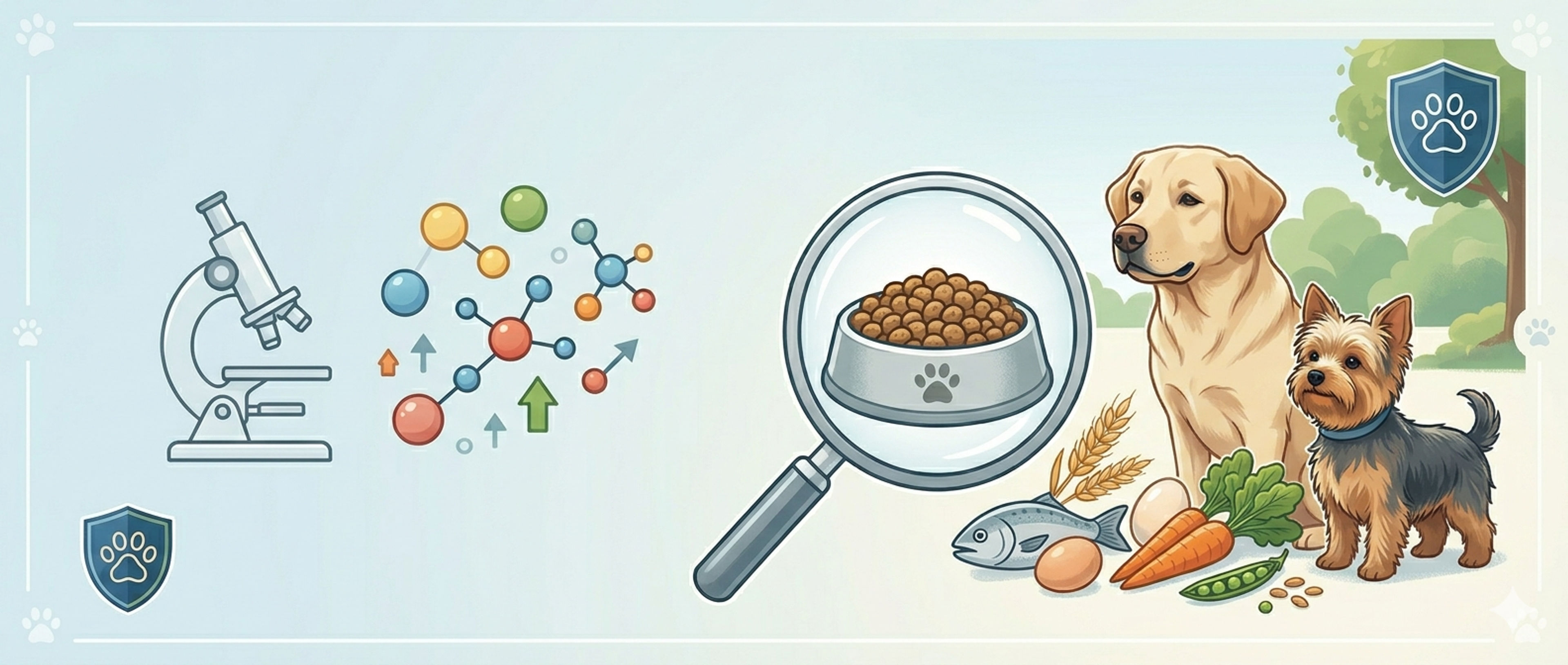
Could Fresh Dog Food Be Your Pup's Best Poop?
A recent study looked into how fresh-frozen dog food affects your pup's gut health compared to traditional kibble. Researchers found that dogs eating the fresh diet had better and more consistent poop. Not only did their stools improve, but certain beneficial gut bacteria also thrived with the fresh food. These changes suggest that fresh diets might be great for supporting a healthy digestive system in dogs. So what does this mean for you and your furry friend? If you're considering a switch to fresh dog food, this study points to the possibility of better digestion and overall gut health. An improved diet not only can lead to healthier poop but also promote a thriving microbiome — the community of good bacteria in your dog's gut. Making this change could contribute to a happier, healthier dog, so it’s worth exploring fresh options for your pup's meals.
The Hidden Dangers in Your Dog's Kibble
A recent study explored how different oils and kibble types affect the freshness of dog food over time. They found that fats like those from fish and flaxseed can spoil faster than more stable fats like chicken or coconut. This spoilage can reduce important nutrients, especially omega-3 fatty acids that are beneficial for your dog's health. Knowing which types of oils are in your dog’s food can help you choose healthier options that maintain their nutritional quality longer. For pet parents, this means being more aware of what’s in your dog’s kibble. Choosing a kibble with a stable fat source can help ensure your pup is getting the nutrients they need, rather than risking the loss of essential fatty acids over time. Additionally, keep an eye on the kibble's ingredients to avoid grain-inclusive options that may spoil faster. These small changes can lead to a healthier, happier dog, making it worth understanding what to look for in dog foods.
Recent Dog Food Recalls: September 2026 Edition
The FDA has posted several dog food and supplement recalls since May 2026. Salmonella / Listeria: - Vet Plus FI supplements (Sep 8) - Northwest Naturals Chicken Recipe (Aug 28) - Oma's Pride canine food (Aug 17) - Raaw Energy dog food (May 22) Foreign material: - Fromm canned wet dog food – possible metal (Aug 21) - Pedigree High Protein Chopped Chicken & Duck – possible plastic (Jul 2) Nutrient levels: - Steve's Real Food Freeze Dried Chicken Recipe – possible low thiamine (Jun 8) - Breeder's Edge / Shelter's Choice canine milk replacer – variable vitamin D (Jun 25) Only specific lots are affected. Check the lot codes on your packaging against each FDA notice, and call your vet if your dog shows vomiting, diarrhea or lethargy after eating a recalled product.
What You Need to Know About Weight Loss for Dogs
A recent study looked at how different diets affect overweight and obese dogs during weight loss. Researchers compared dogs on commercial dry food, homemade meals, and mixed diets while ensuring they all had a caloric deficit, meaning they ate fewer calories than they burned. Interestingly, all the dogs managed to lose about the same amount of weight, around 4.5%. The study also found some changes in health markers, like lower triglycerides in dogs eating homemade food, which is a type of fat in the blood, but overall, the diets didn't create huge differences in health outcomes. For you as a dog parent, this means that while choosing between dry food, homemade meals, or a mix may not drastically change your pup's weight loss success, it can still influence their health in subtle ways. It’s important to monitor your dog’s weight and energy levels, regardless of the diet they’re on. If your dog seems less energetic or struggles with activities like running or playing, you might want to rethink their food choices or check in with your vet. Understanding these aspects helps ensure that your furry friend doesn't just lose weight but stays happy and healthy throughout the journey.
Can Probiotics Help Your Overweight Dog?
Recent research has explored how certain probiotics, prebiotics, and postbiotics can help manage obesity in dogs by influencing their gut health. These findings show that specific strains of good bacteria may assist in regulating blood sugar levels and preventing weight gain during diet changes. However, the effectiveness often depends on the particular strain used and the individual dog's metabolism. This is an important area of study as many dogs are struggling with obesity, which can lead to serious health issues. For pet parents, this means being mindful of the gut health of their overweight dogs. Adding probiotics to your dog's diet might be a helpful strategy, but it’s crucial to choose the right type and consult with your vet to see what fits your dog’s needs. Understanding that not all probiotics are equal can make you a more informed caregiver, potentially leading to a healthier and happier pup. Keeping your dog at a healthy weight can improve their quality of life, energy levels, and overall well-being.
Boost Your Dog's Immunity with These Healthy Fats
Recent research shows that certain healthy fats, called polyunsaturated fatty acids (PUFAs), can enhance your dog's immune system. Specifically, long-chain omega-3 fatty acids like EPA and DHA, found in fish oil, have been highlighted for their ability to reduce inflammation and support overall health. While the evidence is still developing, combining studies suggests these fats can help both healthy dogs and those dealing with illnesses. This could lead to improved health outcomes and quality of life for our furry friends. Incorporating EPA and DHA into your dog's diet might sound complicated, but it can be as simple as adding a quality fish oil supplement to their meals. A balanced approach to these fats could help your dog fight off infections and reduce inflammation, especially if they have chronic issues. Knowing that these nutrients can make a difference in your pup's immune health can motivate you to look for foods or supplements rich in omega-3s. Making small dietary changes could result in big health benefits for your dog, ensuring they live a longer, healthier life.
Can Essential Oils Boost Your Dog’s Gut Health?
A recent study explored the effects of a commercial pine extract called ArgaT in dog food and its impact on healthy Labradors. Researchers wanted to see if this ingredient, known for its antibacterial and anti-inflammatory properties, could enhance gut health and overall wellbeing. While some dogs preferred regular food over the ArgaT diets, the dogs did not refuse to eat the ArgaT-enhanced meals, suggesting they tolerated it well. The study also found that certain levels of this extract led to changes in gut bacteria and fecal metabolites, which are important for digestion and health. For pet parents, knowing about ArgaT might help when choosing dog food or supplements for digestive and immune support. While dogs didn't necessarily love the taste, it seems that adding ArgaT could positively influence their gut health without causing any tummy issues. If you're looking to enhance your dog's diet, it could be worth considering products with a lower inclusion of this pine extract, as it might bring some health benefits to your furry friend’s gut without compromising on taste.
Is Raw Dog Food Harming Your Family's Health?
For dog parents, this means being mindful of the types of raw food you're feeding your furry friend. While raw diets may have their benefits, it's essential to consider the risks of bacterial contamination. Always handle raw meat safely and discuss with your vet if you're unsure about the best diet for your dog. Keeping both your dog's health and your family's safety in mind is worth knowing for every pet parent out there!
Can This New Ingredient Help Your Dog Lose Weight?
A recent study explored how adding a specific ingredient, pasteurized Muc, to high-calorie diets could help dogs manage their weight and reduce inflammation. The researchers found that dogs taking this supplement gained less weight compared to those on the same calorie-heavy diet without it. Moreover, pasteurized Muc seemed to improve gut health and lowered levels of harmful inflammation markers. This is important because obesity in dogs not only affects their weight but can lead to serious health problems, including chronic inflammation and metabolic issues. For pet parents, this discovery means considering additional supplements, like pasteurized Muc, could be beneficial, especially if your furry friend enjoys a higher-calorie diet. By reducing their weight gain and decreasing inflammation, your dog could live a healthier and happier life. If you're concerned about your dog's weight or overall gut health, talking to your vet about this new supplement might be a good step. It’s always best to be proactive about your dog's health, and this ingredient could be a valuable addition to your pup's diet.
How Shedding Pounds Changes Your Dog's Body Chemistry
A recent study looked at how losing weight affects the fat and lipids in dogs' bodies, especially those that are overweight. Researchers found that dogs who lost significant weight had notable changes in their serum lipid profile, which are basically the different types of fat in their blood. This is important because understanding these changes can help pet parents better manage their dogs' health, especially those struggling with obesity. The study followed eight dogs over six months and found a clear improvement in their body chemistry after they shed pounds. So, what does this mean for you and your furry friend? If your dog is overweight, helping them lose weight not only improves their overall health but also changes the types of fat in their bodies for the better. This kind of information is valuable for choosing the right diet and developing a weight loss plan tailored for your pet. Keeping your dog at a healthy weight could truly make a difference in their wellbeing and longevity, so it's definitely worth knowing how weight affects their body inside and out.
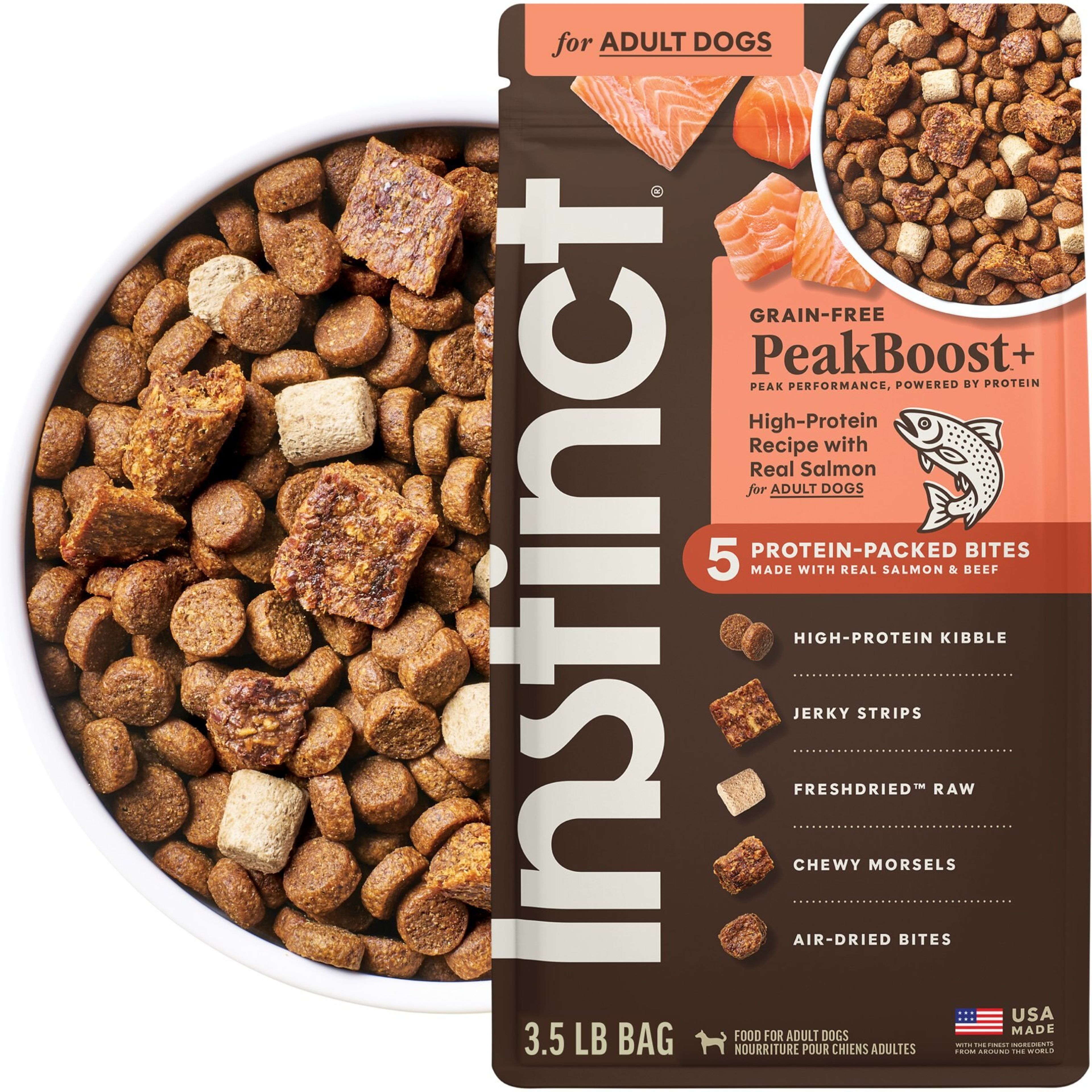
Is Instinct PeakBoost Grain-Free High-Protein Recipe with Real Salmon Safe for Dogs?
Instinct PeakBoost Grain-Free Salmon scores 90/100 — an excellent, protein-first formula. Real salmon is the lead ingredient, there are zero flagged ingredients, and the preservation is entirely natural.
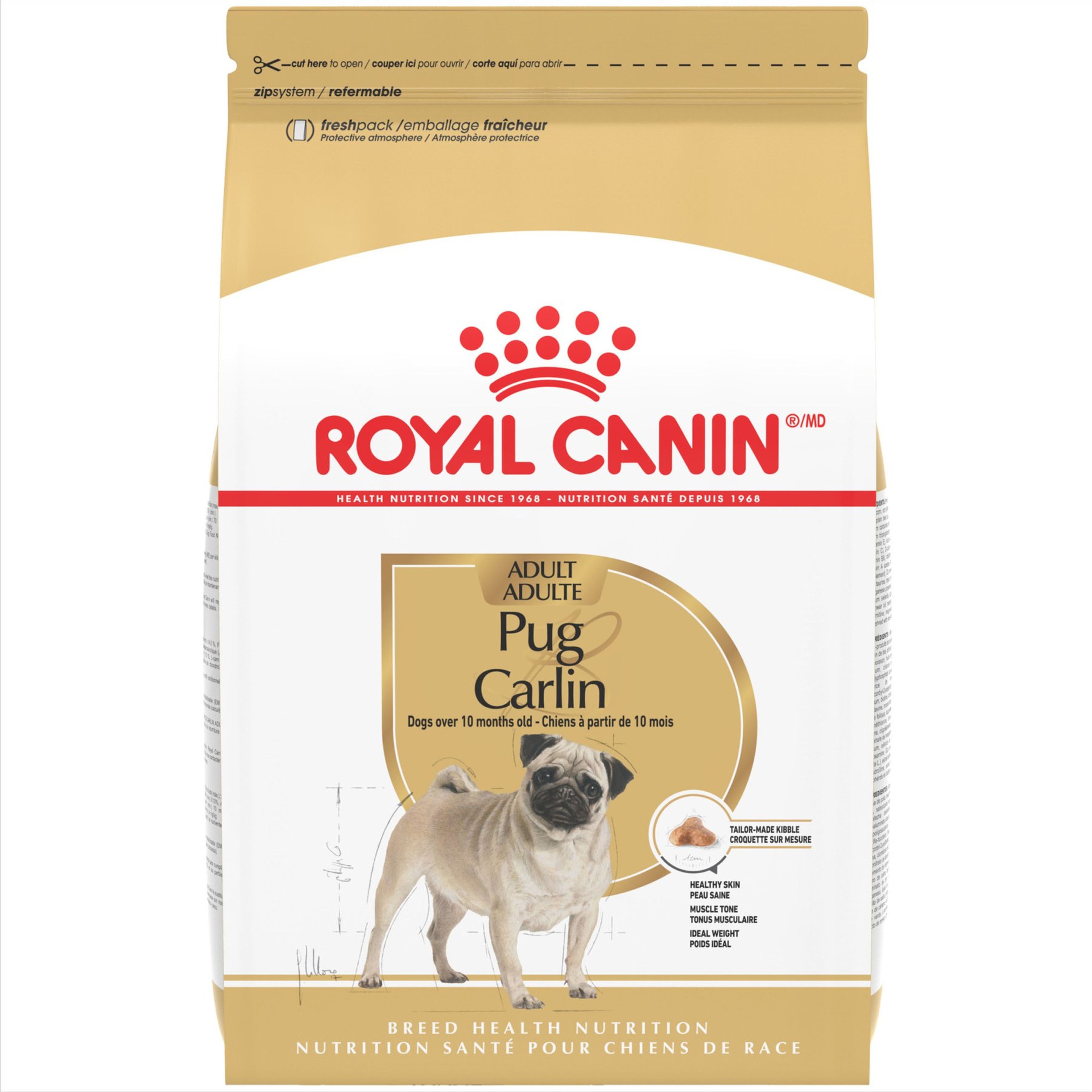
Is Royal Canin Breed Health Nutrition Pug Adult Dry Dog Food Safe for Dogs?
Royal Canin Pug Adult scores 58/100. It's a passable food built heavily on carbohydrate fillers — brewers rice, corn, and wheat gluten all appear before the primary protein source.