
Dog Nutrition & Food Safety

Understanding Protein Needs in Dogs by Age
Protein needs change as dogs age. Puppies need more protein, seniors need increased protein, and adults need moderate amounts. Learn the guidelines.

Why Doggo Eats App? A Complete Guide
Doggo Eats helps you make smarter food choices for your dog. Learn how the app scans food, provides personalized recommendations, and ensures safety.
Why Dog Food Companies Recommend the Same Food
Dog food companies recommend the same food for your dog's entire life. Learn why this is driven by capitalism and marketing, not optimal nutrition.

Breed-Specific Dog Food: Is It Worth It?
Are breed-specific dog foods beneficial or just marketing? Learn what science says about tailored nutrition and when it makes sense for your dog.
Is Your Dog's Food Causing Kidney Problems?
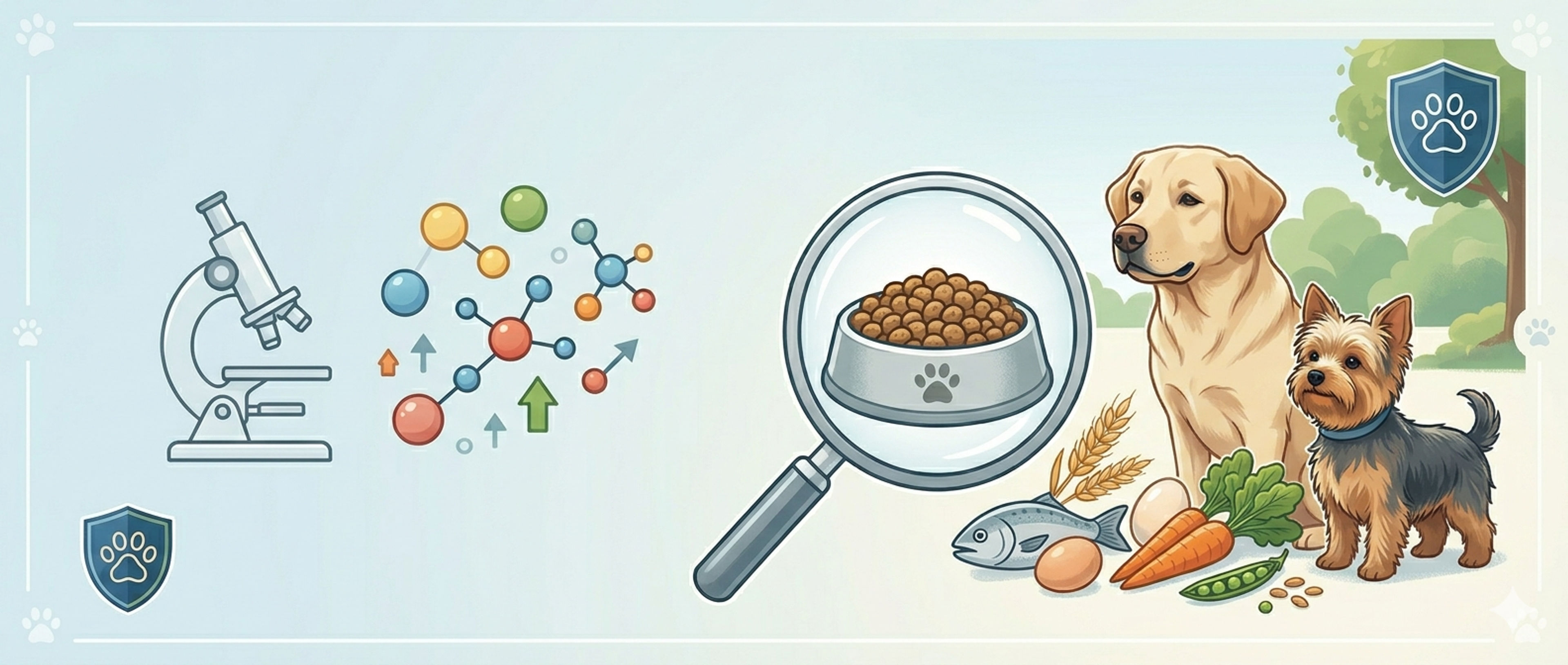
Recent research looked at the purine levels found in various dog foods. Purines are substances that can lead to the formation of painful kidney stones in some dogs, especially those with certain genetic traits or liver issues. The study found that prescription diets designed to prevent these issues contain significantly fewer purines than regular maintenance foods. This is important because a lower purine diet can help reduce the risk of kidney stones. For dog parents, this means being more mindful about the type of food you choose for your furry friend, especially if they have a history of urinary issues. Opting for dry vegetarian or specific prescription diets can help manage uric acid levels and decrease the chances of kidney stones. It's a simple change that can make a big difference for some dogs. Being proactive about your dog’s diet can lead to a healthier and happier life for your beloved pet.

Farmer's Dog vs Ollie: Fresh Dog Food Compared
Both make fresh, human-grade dog food. Here's how they compare on price, nutrition, recipes, and convenience.
Is Your Dog's Diet Putting Their Health at Risk?
A recent study from Thailand revealed some surprising insights about dog owners' food choices and their pets' health. Researchers explored how what we feed our furry friends can be linked to serious health issues like obesity, heart disease, and diabetes. They found that many owners are mixing commercial and homemade diets, which might actually increase the risk of these non-communicable diseases. Additionally, many dog parents aren’t getting enough nutritional guidance from vets, which leaves a gap in knowledge about how to properly feed their pets. For dog owners, this is a wake-up call to pay closer attention to the ingredients in their dog's food and consider seeking professional advice. Mixing homemade and commercial diets could be risky if not done correctly, especially since many homemade meals lack essential nutrients. By being informed and choosing a balanced diet, you can significantly enhance your dog's health and well-being. Understanding the importance of nutrition for your dog may help prevent health issues down the line, ensuring a happy and vibrant life for your furry companion.
Could This New Drug Help Your Overweight Dog?
A recent study looked into a new treatment called liraglutide for overweight dogs. Researchers focused on senior Golden Retrievers who, due to factors like aging and lack of exercise, had trouble maintaining a healthy weight. They found that liraglutide helped these pups lose some weight and also reduced cholesterol and triglyceride levels, suggesting it might be a helpful option for managing dog obesity. For dog parents, this means there could be new hope for your furry friend struggling with weight issues, especially if they’re not very active. While liraglutide isn't a replacement for proper diet and exercise, it might make a difference when combined with a healthy lifestyle. If your dog is overweight, staying aware of new treatments can help you find the best approach to support their health and happiness.
Can Stem Cells Help Your Dog's Anemia Recovery?
Recent research looked into a new treatment option for dogs suffering from a serious condition called immune-mediated hemolytic anemia (IMHA). This study focused on using stem cell therapy alongside standard treatments for dogs that weren't responding well to regular medicine. Out of 43 dogs who received stem cell treatments, about 76% showed significant improvement in their blood health, and the therapy appeared safe with no major side effects reported. For pet parents, this means there might be new hope for dogs struggling with chronic anemia. If your furry friend has been diagnosed with IMHA and hasn’t gotten better with typical medications, talking to your vet about stem cell therapy could be worth considering. Staying informed about these options can empower you to make the best choices for your dog's health and recovery journey.

Can Dogs Eat Grapes? Toxicity, Symptoms, and What to Do
Grapes and raisins can cause sudden kidney failure in dogs. Here's why, how much is dangerous, and what to do if your dog ate one.
How Long Can Your Dog's Food Stay Fresh?
A recent study looked at how the quality of dry dog food changes after it's opened and stored over time. Researchers found that important nutrients, like healthy fats and antioxidants, change as the food sits in your cupboard. After just six months, the fat content in some of these foods decreased significantly, which could affect your dog's overall health. Understanding these changes can help dog parents choose the best food options and storage methods for their canine companions. What this means for you and your dog is that the nutritional value of their food can diminish the longer it’s stored. If you notice that your dog's food has been opened for a while, it might be time to think about a fresh bag. Keeping an eye on storage conditions and expiration dates can help ensure that your furry friend is getting the best nutrition possible. Knowing how storage affects dog food can help you make better choices for their health and well-being.
The Fishy Secret to Your Dog's Happy Tummy
A recent study looked into how hydrolyzed anchovy protein in dog food can boost gut health. This type of protein is broken down into smaller pieces, making it easier for dogs, especially those with food sensitivities, to digest. In the study, healthy West Highland White Terriers that ate a diet with this special fish protein showed less smelly poop compared to those on a standard diet. Less odor means happier pups and happier pet parents! So, what does this mean for your furry friend? If your dog has digestive troubles or just tends to have stinky poop, considering a diet with hydrolyzed proteins could be beneficial. Not only could it support better gut health, but it may also help keep your home smelling fresher. Remember, a happy tummy contributes to a happy dog, and using such ingredients could be a simple change to enhance their overall comfort and wellbeing.